
/Art-of-retail-banener.avif)
For Lalit Dalmia, retail was never meant to be transactional. A store, to him, is not a place where garments are sold, but a world where craftsmanship, memory, culture, and emotion quietly come alive together. Over years of travelling through the lanes of India—through forgotten bazaars, artisan homes, royal cities, and old workshops—he found himself deeply drawn to objects touched by patience and human hands. Pieces that carried not just beauty, but time within them. What began as a personal journey of collecting slowly transformed into spaces that feel less like stores and more like living experiences of Indian artistry.
/1_DSC1784_result.avif)
/1_DSC1953_result.avif)
The moment you enter, a soft voice welcomes you — "Namaste, welcome to Lalit Dalmia Couture Haveli." Nothing feels performative. The warmth is effortless, intimate, almost familiar. Fashion stylists dressed in embroidered black bandhgalas move with quiet grace, offering a deeply personalised experience that feels less like service and more like hospitality rooted in care. There is a sense of belonging in the air — an ease that makes you feel expected before you even arrive.
The atmosphere unfolds gently through fragrance and sound. Notes of mogra, rajnigandha, champa, chameli, and raat ki raani linger softly through the space, while sitar, flute, and veena dissolve into old Indian classical melodies in the background. Everything moves slowly here. Thoughtfully. Like a forgotten rhythm of India still breathing somewhere.
/1_DSC1893_result.avif)
/1_DSC1681_result.avif)
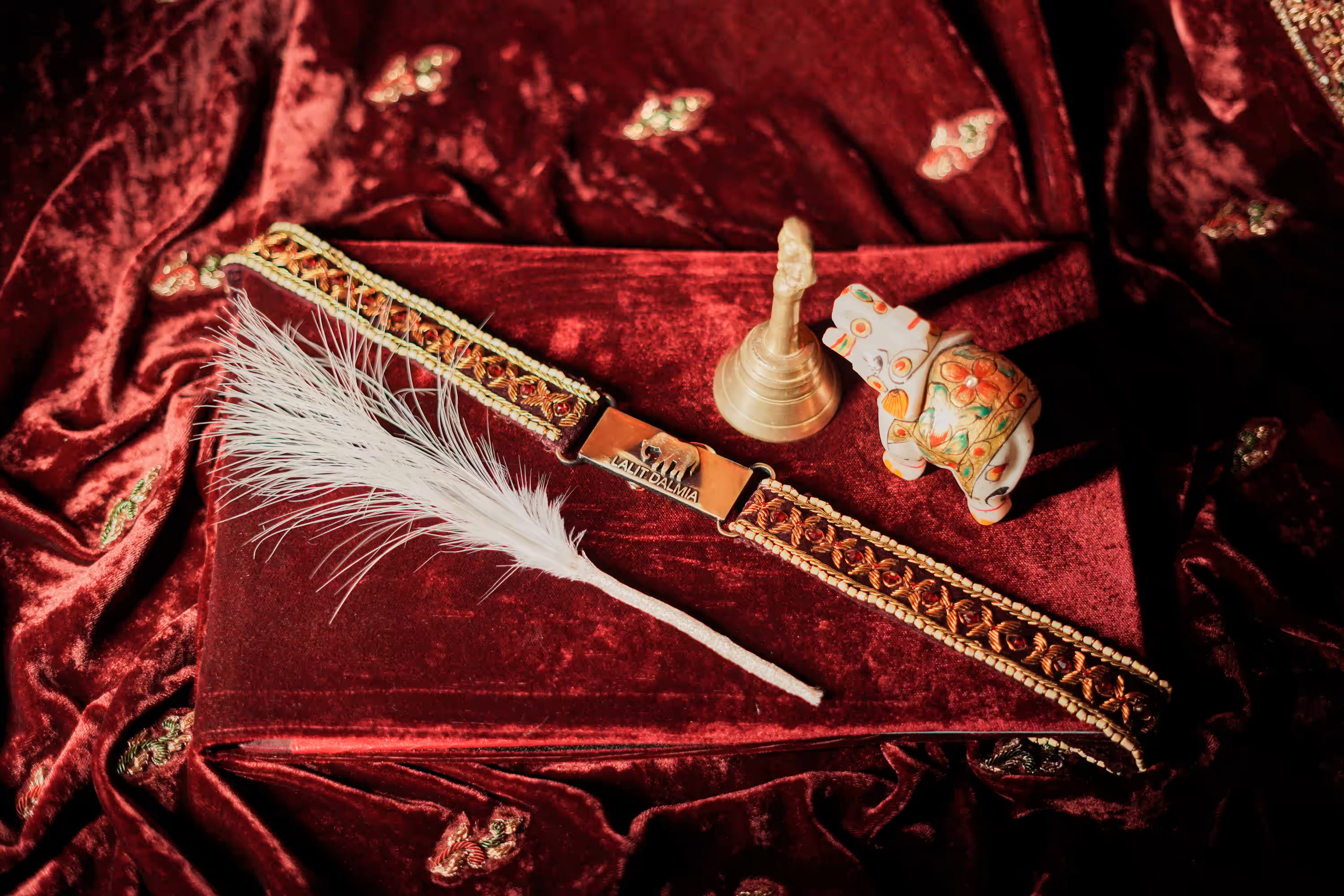
At the heart of every Couture Haveli lies Lalit's enduring love for Indian craftsmanship. The spaces are designed like living archives — where every object carries a story, every corner holds memory, and nothing exists merely for display. Tanjore and Pichhwai paintings sit alongside regal Mughal artworks, poetic Rajasthani miniatures, glimpses of Madhubani and Pattachitra traditions, intricate gemstone artworks, and grand colonial-era paintings that feel suspended in time.
/1_DSC1969_result.avif)
/1_DSC1965_result.avif)
/1_DSC1954_result.avif)
/1_DSC1891_result.avif )
Beyond the walls, artistry reveals itself through details — handcarved walnut wood from Kashmir shaped by generations of craftsmen, jewel-like chandeliers from Firozabad touched with 24-karat gold, real zari Banarasi brocades transformed into wall panels, heritage carpets from Jaipur and Agra echoing the grandeur of royal durbars, block-printed shahi maroon makhmal curtains drifting softly through the interiors, and ornamental surahi vessels adorned with handmade Sawari art.
Handpainted sandooks and intricately carved Kashmiri cabinets preserve smaller treasures within them — blue pottery from Jaipur, antique perfume bottles, miniature paintings, handcrafted plates, marble inlay objects, rare brass artifacts, and collected pieces that feel deeply personal rather than curated. The space does not ask to be admired. It asks to be felt.
/1IMG_4314_result.avif)
/1_DSC1974_result.avif)
At its centre unfolds a grand wooden runway illuminated with fine glasswork and opulent chandeliers, evoking the majesty of an old-world Bridal Darbar — where couture becomes not fashion alone, but theatre, memory, and celebration.
For Lalit, even hospitality is an extension of craftsmanship. Guests are served freshly brewed masala tea prepared with elaichi, adrak, tulsi, and laung, poured into handcrafted brass tea sets and accompanied by handmade cookies served warm. It is a small gesture, but one rooted in the same philosophy that shapes the entire world around him — that true luxury is not excess, but care made visible.